
You may resist the idea that as an author you are a brand. It sounds so commercial, so corporate, so corny. But remember publishing is a business, and people buy books based on what they think about an author. Your brand becomes your reputation. “A brand is what other people say about you when you’re not in the room,” Jeff Bezos is credited with saying. How you present your books to the public and represent yourself as an author IS your brand. Even if you aren’t intentionally creating a brand, you’re still leaving people who currently follow you and your prospective readers with an impression of who you are. It’s in your best interest to become more intentional about branding yourself as an author. From your dust jacket to your social media efforts, your brand represents you and your book. Your brand helps you cultivate name recognition, but more importantly, it communicates to audiences whether or not you are trustworthy. It’s one thing to write from the perspective of an unreliable narrator in a work of fiction and an entirely different thing to be an unreliable author. Good strategy for the former, lethal for the latter. For more than a decade it’s been important to include an author head shot in your book proposal. The image you present of yourself is important to aquisitions editors because it’s important to readers. Your photo will be used in all publicity and marketing materials. If you’re the author of a children’s book, and…


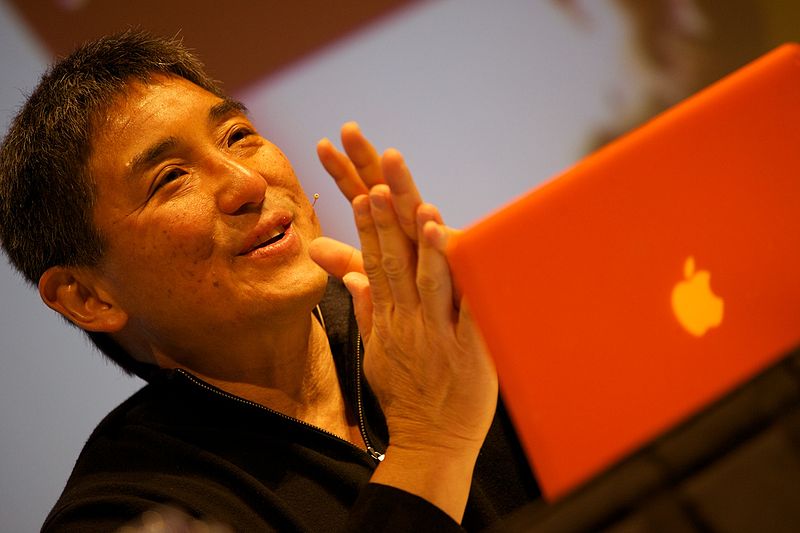
If you are working towards publication and own an eReader, chances are there’s a copy of APE: Author Publisher Entrepreneur sitting on your Nook. It’s a manifesto on the art of self-promotion and marketing books aimed at the self-published author, but it’s making waves for wordsmiths of all publication inclination. Its author, Guy Kawasaki, wrote most of this bestselling eBook from a 5-by-5 closet of… [Read More]
Filed Under: author brand, book review, Marketing, marketing strategy, self-promotion, Social Media networks
2 Comments


Last week here, I spelled out the reasons why a comparative title analysis is so important to a book proposal. Today, the “how to” complete your research on the competition in the marketplace of ideas will be presented. This step-by-step process involves research, reading, and a critical market assessment. 1. Identify the genre, even the sub-genre, of books you will be searching for in your… [Read More]
Filed Under: Amazon, audience, key terms, product description, Readers, Sales rankings, Subject headings
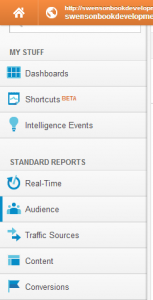
On 01/16/2013, Google updated their Analytics Interface. The updates changed some navigation interfaces, added new functionality, and made certain areas easier to access. The Swenson Book Development Google Analytics for Author blogs written before this update have been updated to reflect these changes. If anything has been noticeably altered in the blogs, it will be clearly marked to reflect the update. Luckily, many of the… [Read More]

“There’s never been a book like this,” is a phrase that may doom your book propsoal to oblivion. When writing a book proposal, an essential document to prepare is a comparative title analysis. This is a report which identifies the current bestselling books like yours. If there is nothing comparable to your book in the marketplace of ideas, then there may be a reason for… [Read More]

Cayuga Nature Center sits on 100 acres overlooking the largest of the Finger Lakes with a lodge built by the Civilian Conservation Corps in the 1930s as a “preventorium,” a temporary home for families members of tuberculosis patients at the nearby “sanatorium” (near the present Cayuga Medical Center). The lodge, recently renovated, is quiet and comfortable in the winter months. Writing workshops are being offered for… [Read More]
Filed Under: Bill Chaisson, Cayuga Nature Center, Finger Lakes, Jay Leeming, memoir, Nature Writing, poetry