
Six or seven years ago my advice to aspiring authors of nonfiction books was to build an audience platform by blogging. An example of how critical blogging could be to securing a publishing contract can be found in the case of Ann Marie Ackermann, author of Death of an Assassin: The True Story of the German Murderer Who Died Defending Robert E. Lee. After an initial assessment of her manuscript, I had recommended she start a historical true-crime blog, and she did. In fact, the editor of the ideal book series at Kent State University Press became a fan of her blog and invited her to submit a book proposal. Her book won a 2018 IPPY in the True Crime category, closed a 180-year-old cold case, and has also been translated into German where it received critical acclaim and was recognized for its scholarly contribution to the history of forensics. Today, blogging may or may not be something an author decides to invest time and energy in. If your authority as an author is based on your subject-area expertise, it remains an important goal to have a visible presence on the internet establishing your credibility. Whether blogging is the best means to achieve that goal depends on you and your project. It may be more important to be listed as an expert source available to journalists and appear as a credible source in news publications covering your subject area. HARO (Help A Reporter Out) may be a better fit to…


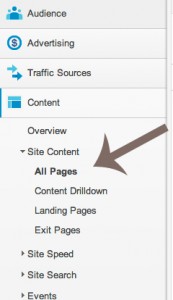
Analytics for Authors blogs have been edited to reflect the 01/16/2013 Google Analytics update. — You’ve gotten a feel for your audience and how they visit your site using Google Analytics, but you still might not have a clear idea what page is getting the most traffic. To get a good look at your content’s metrics, click on Content then All Pages in the left… [Read More]
Filed Under: analytics for authors, blogging, Google Analytic tutorial, Google Analytics, internet, marketing strategy, WordPress
No Comments


So it’s cold outside. Steep a cup of tea and put in a teaspoon of pure, local, raw honey. Then take a sip, close your eyes, and feel that warm golden glow. Give thanks for the angels of agriculture: bees. Homegrown Honey Bees: Beekeeping Your First Year, from Hiving to Honey Harvest by Alethea Morrison is an introduction to beekeeping and a recruitment tool for… [Read More]
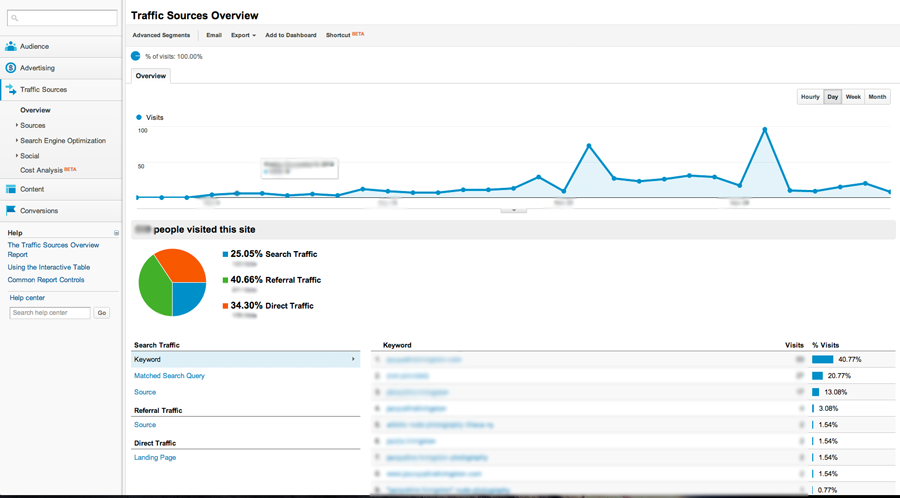
Analytics for Authors blogs have been edited to reflect the 01/16/2013 Google Analytics update. — Another key section of Google Analytics is Traffic Sources. Access this section’s overview through the left-hand navigation bar.* Your traffic is broken down into three types: Direct Traffic Direct traffic are the visits you get through someone typing in your URL into an address bar, by accessing a bookmark they’ve… [Read More]
Filed Under: analytics, analytics for authors, blogging, Google, Google Analytics, internet, search engine optimization, SEO, technology
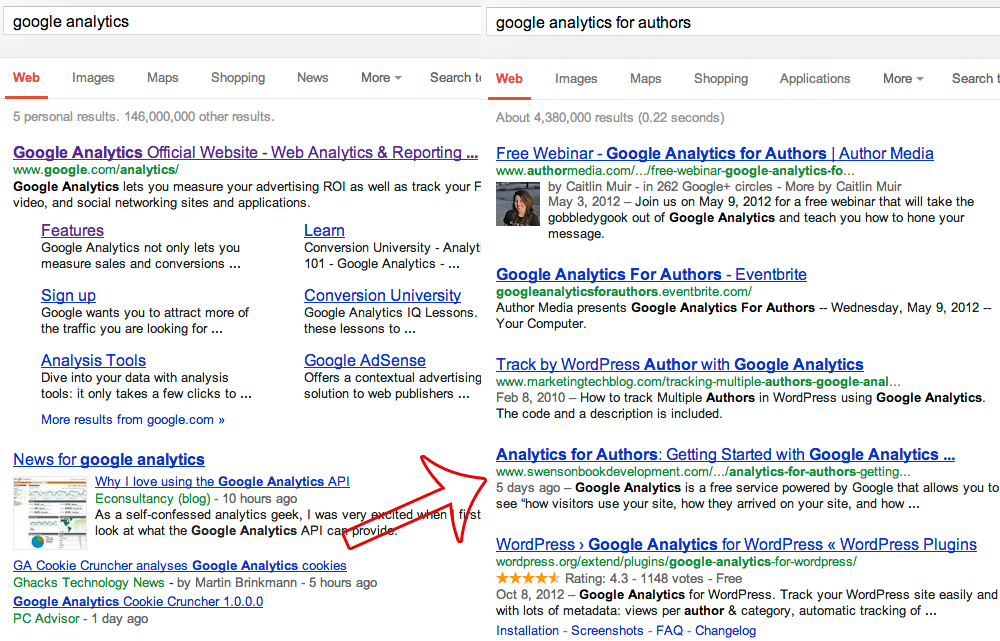
Analytics for Authors blogs have been edited to reflect the 01/16/2013 Google Analytics update. — Mark Twain wrote to a friend, “The difference between the almost right word and the right word is really a large matter—’tis the difference between the lightning-bug and the lightning.” – and the same can be said for Google keywords. It’s the difference between ‘swimming pool’ and ‘swimming pool installation… [Read More]
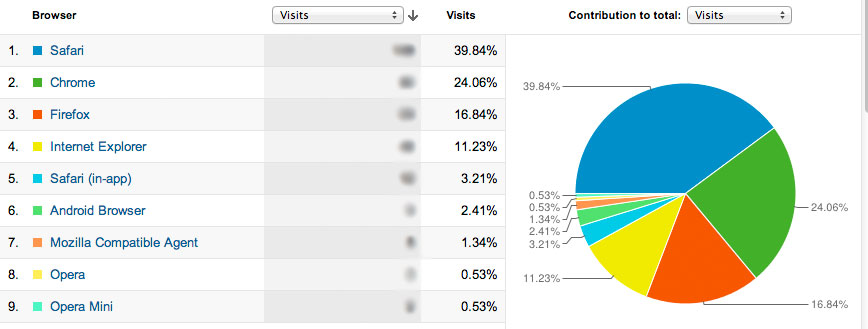
Analytics for Authors blogs have been edited to reflect the 01/16/2013 Google Analytics update. — Analytics for Authors introduced you to the Audience Overview dashboard in our last post – but before we dive into more sections of Google Analytics and learn how to compare data sets, what’s some helpful information we can gain from the Audience section? Your Visitors’ Browser Data on Google Analytics… [Read More]