
It is the author’s responsibility to seek endorsements for their books and publishers expect you to get them. Blurbs – often only a few words or phrase of praise from a high profile author, celebrity, or expert – appear on a book’s cover or dust jacket flaps. Blurbs are also used in query letters to agents, on tip sheets to booksellers, in marketing materials and press releases. You need to demonstrate others have found your work worthy of publication to convince an agent or editor you can help market your future publication. Does the prospect of asking for blurbs make you cringe because it requires a level of narcissism you can’t quite muster into self-promotion? Remember, Narcissus is a gorgeous yellow spring blossom. The perennial flower takes its name from the Greek myth of the hunter renowned for his beauty who fell in love with his reflection in a pool of water and dies there unable to leave his own reflection. The moral of the story? It’s not about you, it’s about the book. Asking for blurbs should be as easy as growing daffodils. Set the bulbs in the fall for spring blooms. It’s up to you to plant, fertilize, weed, water, tend, and harvest the bounty of book blurbs. In the seasons of publishing, now is a good time to plan ahead for the year so you can give readers an opportunity to know your work-in-progress. Endorsements add credibility to your work in the eyes of readers. If someone…


Before you send out your query or a book proposal, take a second look. Have you answered these questions? What is the “genre” of the book? (humor, history, memoir, travel, how-to, etc) What is the main subject of your book? (what subject headings would a library give your book?) What topics will be covered? (what keywords could describe your book?) Describe your approach to the… [Read More]
Filed Under: blurbs, book proposal, bookstores, genre, query, Subject headings
1 Comment

When you write a query letter and book proposal to an agent or acquisitions editor, there are certain things they want to know before considering your manuscript. They want to hear about you and your book, but what they really care about is the audience. What audience is your book intended for? Describe your readers in demographic detail. Where do your readers live? Work? Learn?… [Read More]

Children’s books are treated differently than other kinds in the business of publishing. The market is highly segmented with rigid requirements about reading level and age appropriateness. The number of words and pages are rigidly defined within each sector of children’s books. Having more than one book up your sleeve is important since serial books are more desirable than a single title. Marketing features matter… [Read More]
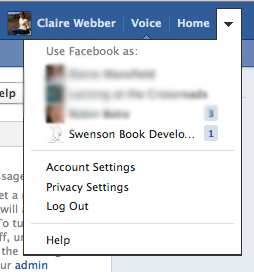
If you’re an author on Facebook, you’ve certainly noticed that your personal timeline and your page exist as two seperate entities – at least on Facebook, your ‘Author-Self’ and ‘Everything-Else-Self’ are as divided as the North and South Poles. It’s not even possible to write on your own personal timeline; you can only communicate with other business pages directly. What’s a well-connected and sociable author to… [Read More]
The buzz about Cheryl Strayed’s new memoir, Wild, couldn’t be ignored. If Oprah Winfrey brought back her Book Club just because of this manuscript, I knew I had to read it. Most everything Oprah recommended I’d read before she announced the selection. But Wild was a wild card thrown in my direction. The jacket described this book about the rough experiences on the Pacific Crest… [Read More]