
Before you get lost in the design details of a WordPress website, it’s important to keep in mind what type of site you want to build. For most of our clients, we recommend a site that says “successful, professional author.” But beyond this vague aesthetic, what will your site actually look like? What will it say about you and your writing? What message are you sending about yourself? Don’t let the bells and whistles of technical features distract you from the most important task: putting YOU into your website. If you have personal photos to upload, save them now as jpeg files on your hard drive for later use. If you want to include other images, beware of copyright restrictions. Because you are an author, any images are used with commercial intent. The Creative Commons is a good place to look for images. But just because you find an image there, it doesn’t mean you can use it. You need to determine whether you need written copyright permission, image source credit, or visible attribution. Every image is different, even if it’s from the same Creative Commons source. If you don’t already own the image, assume you need copyright permission to post it on your site. There are lots of free images available at other sites, but be mindful not to violate copyright law. When in doubt, don’t use it. But enough about images! Authors are all about text. Here’s what else you may want to prepare before you begin to…



Authors may be surprised to learn that before an agent or publisher reads a word of their manuscript, they make judgments based on the query letter or proposal. They read your materials to assess the potential for successful publication based on the information they gather about the book, about the audience, and yes, about the author. In the last two posts, I focused on questions… [Read More]
Filed Under: About the Author, acquisition editiors, agents, Audience platform, Biographical profile, book proposal, Publishing, query, social media metrics
No Comments


Before you send out your query or a book proposal, take a second look. Have you answered these questions? What is the “genre” of the book? (humor, history, memoir, travel, how-to, etc) What is the main subject of your book? (what subject headings would a library give your book?) What topics will be covered? (what keywords could describe your book?) Describe your approach to the… [Read More]

When you write a query letter and book proposal to an agent or acquisitions editor, there are certain things they want to know before considering your manuscript. They want to hear about you and your book, but what they really care about is the audience. What audience is your book intended for? Describe your readers in demographic detail. Where do your readers live? Work? Learn?… [Read More]

Children’s books are treated differently than other kinds in the business of publishing. The market is highly segmented with rigid requirements about reading level and age appropriateness. The number of words and pages are rigidly defined within each sector of children’s books. Having more than one book up your sleeve is important since serial books are more desirable than a single title. Marketing features matter… [Read More]
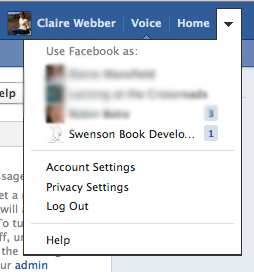
If you’re an author on Facebook, you’ve certainly noticed that your personal timeline and your page exist as two seperate entities – at least on Facebook, your ‘Author-Self’ and ‘Everything-Else-Self’ are as divided as the North and South Poles. It’s not even possible to write on your own personal timeline; you can only communicate with other business pages directly. What’s a well-connected and sociable author to… [Read More]